Remote Worker's Guide to Detroit
02 — Design
helping remote workers find productive environments
UX/UI for Remote Worker’s Guide to Detroit, an app that helps remote workers find productive environments to work in.
After joining Shift_Up, a community of self-directed learners teaching themselves to code, I began to notice how many of my peers struggled to find reliable places to do remote work in the city of Detroit. I was beginning to encounter this problem myself, so I decided to dig into the issue a bit more, my findings subsequently leading me to design Remote Worker’s Guide to Detroit.
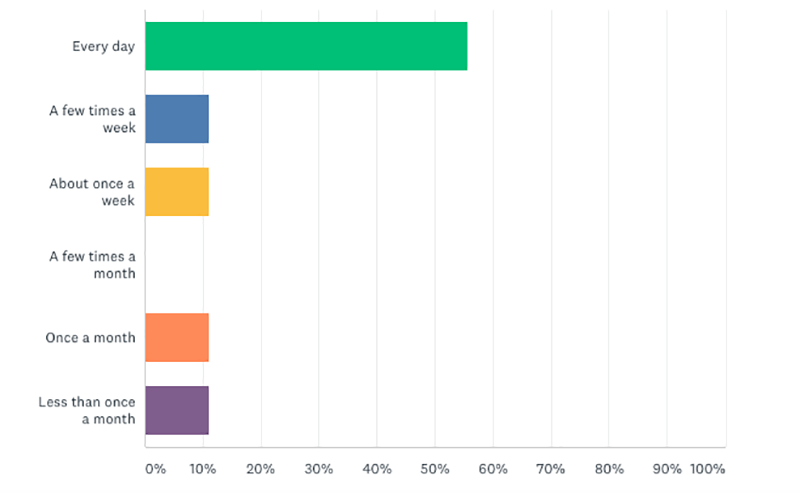
Nearly 60% of workers I surveyed have work that does not require them to go into an office every day.
establishing patterns
The early stages of this investigation focused on gathering a broad range of information, through both surveys and interviews. The objective was to get a sense of how many people in Detroit have regular remote work, and what kind of struggles they encounter as remote workers. I found that people’s attitudes towards a productive workspace were closely tied to their mood and productivity habits.
“quiet but not solitary”
Remote work can be isolating, and mood often dictated how workers felt about their working environment and productivity. While people felt inspired working in the presence of others, they did not want to feel obligated to socialize. This sentiment in particular guided the design away from potentially acting as a social platform, and more towards a tool to help them optimize and inspire productivity.
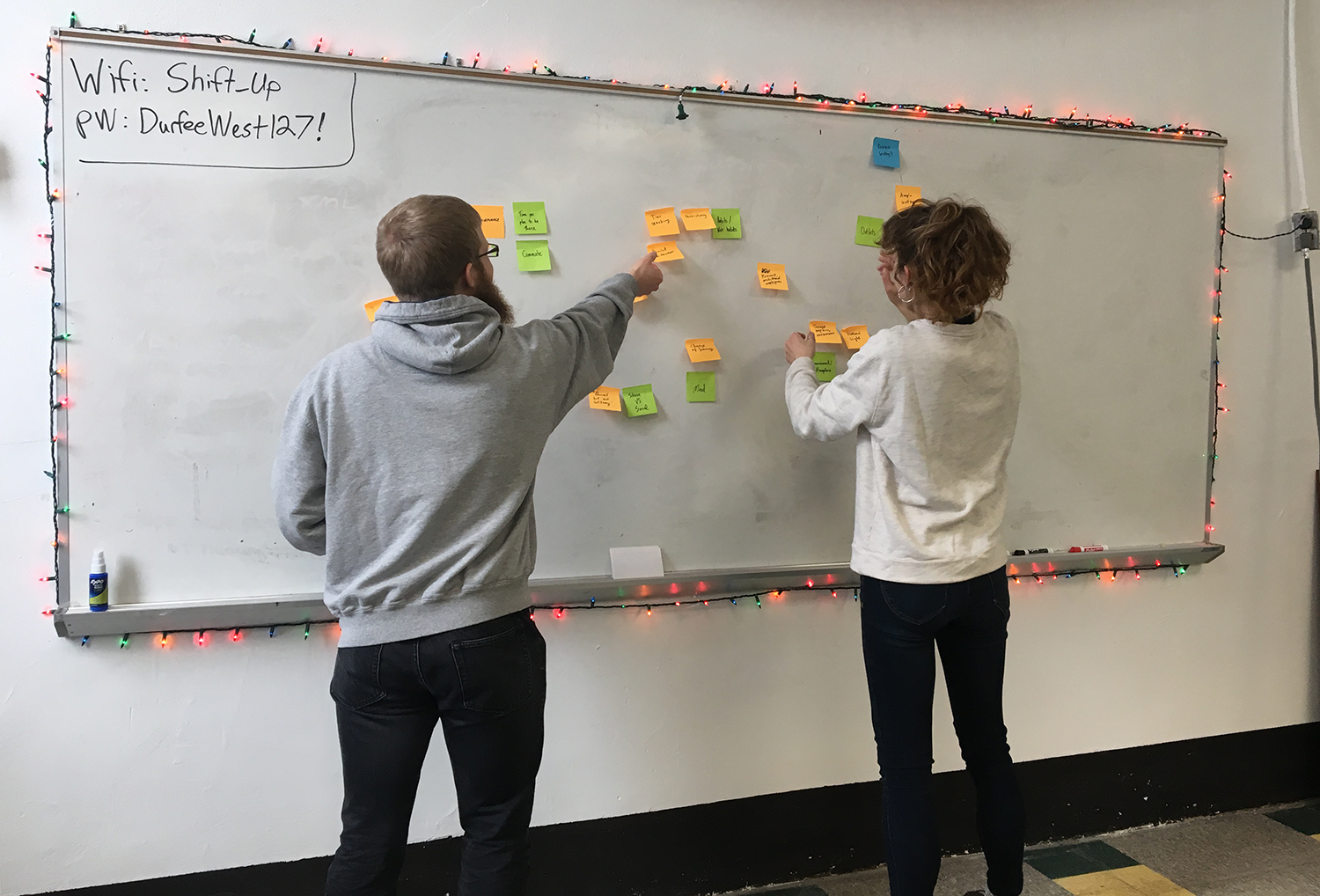
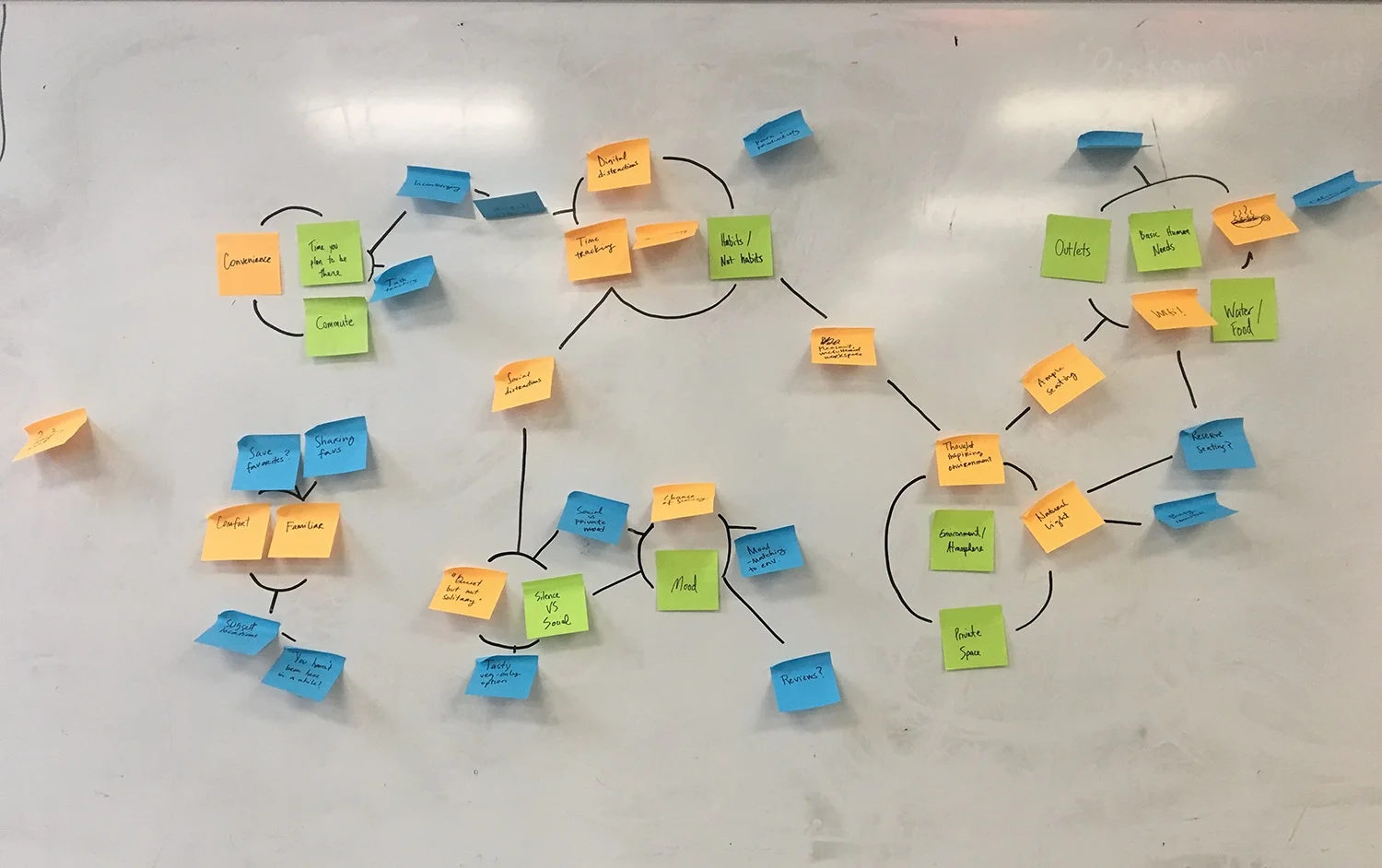
I recruited classmates to participate in group affinity diagramming to help synthesize the information I gathered through the survey and interviews.
Three major pain points arose from my research, which helped to define the target user:
01 — mood
Often needs a change of scenery to inspire productivity and the right mindset to work.
02 — time
Struggles with justifying the time it takes to find a place to work outside of home.
03 — habits
Wishes to find a work environment that aligns with their productivity habits and needs.
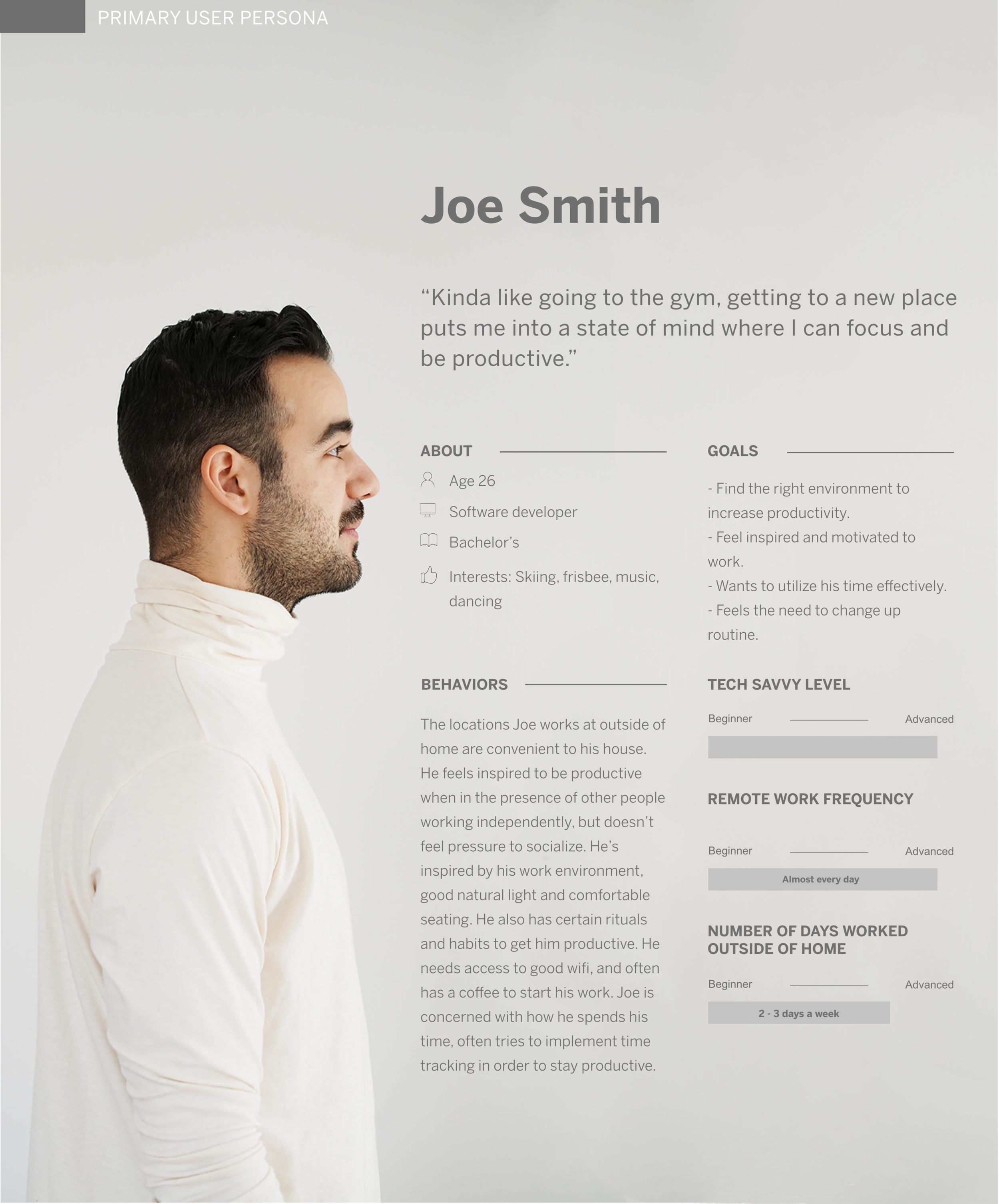
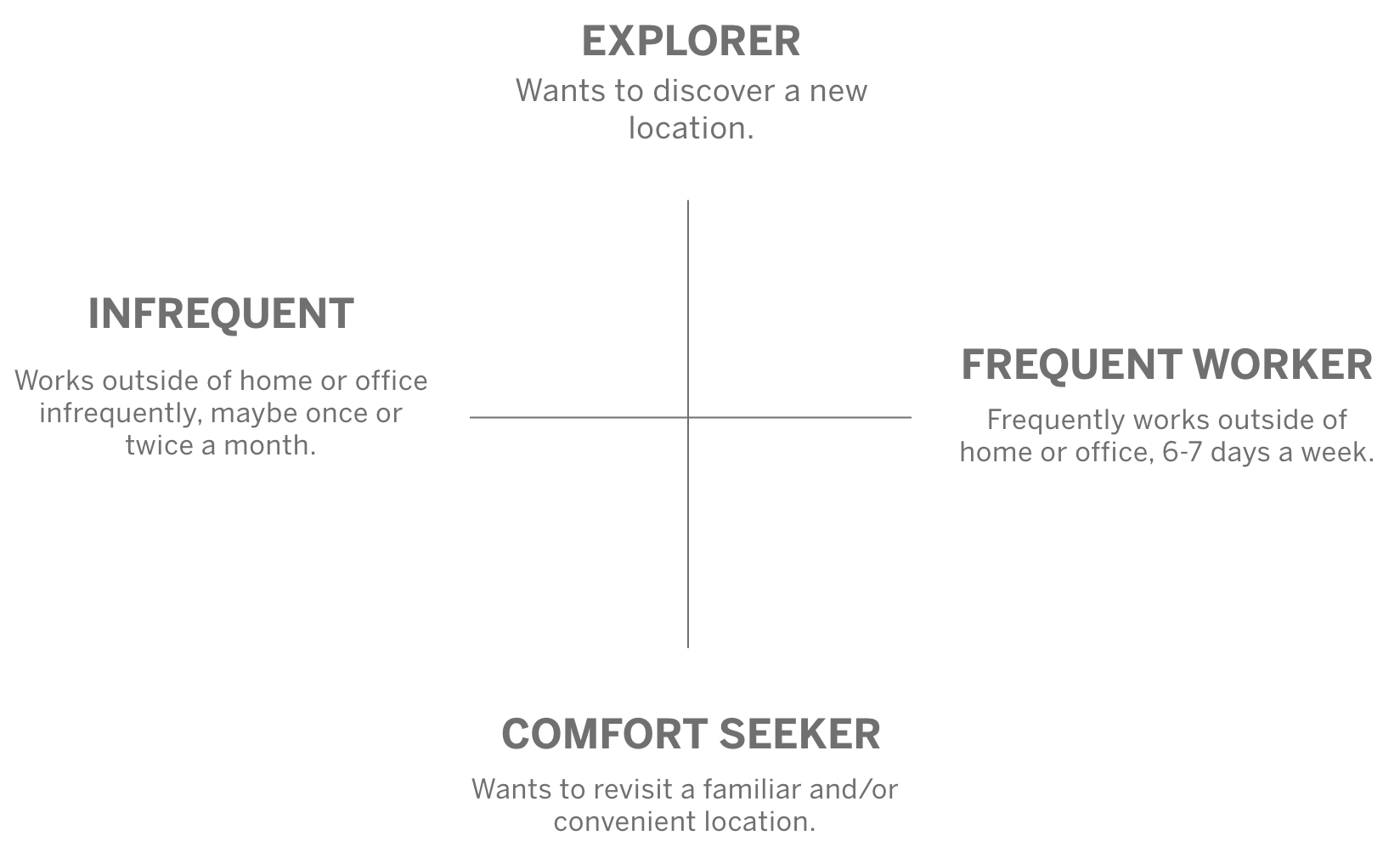
I experimented with a couple different methods of representing our target users, through both user personas and user mindsets. I found the persona to be most useful; while the mindsets were helpful in putting usage into a high level perspective, I felt they were a little underdeveloped and needed more data to support them.
All of the potential users are tech savvy people, doing work that mostly involves using technology. Having this tool take the form of an app was the most sensible option for the scope of this project.
brainstorming features
From my previous research I was able to establish a high level understanding of the various dynamics that influence how and where remote workers work, but I needed to translate these ideas into individual, tangible, and meaningful features. I employed a number of methods to brainstorm possible features, from blue sky brainstorming to a Crazy 8’s exercise.
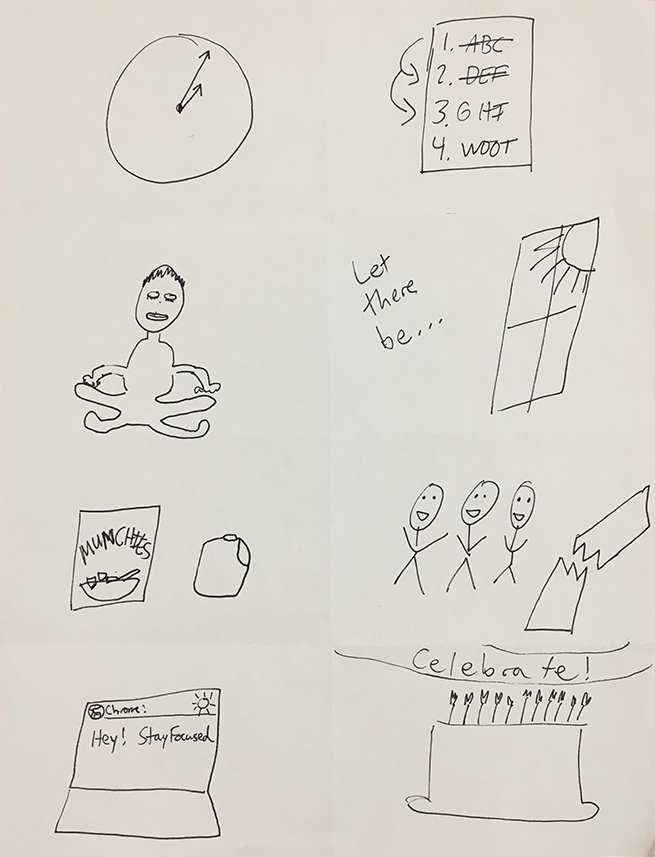
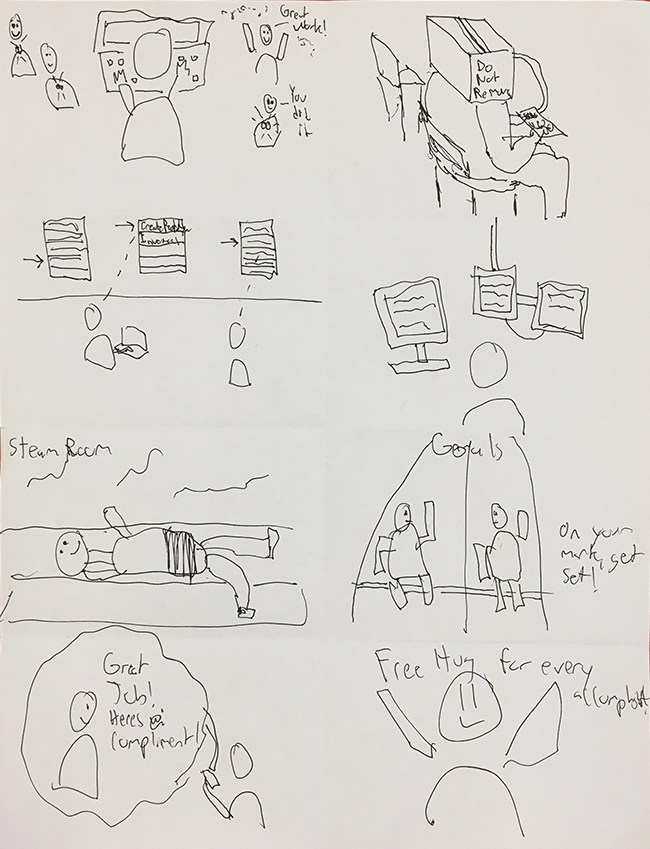
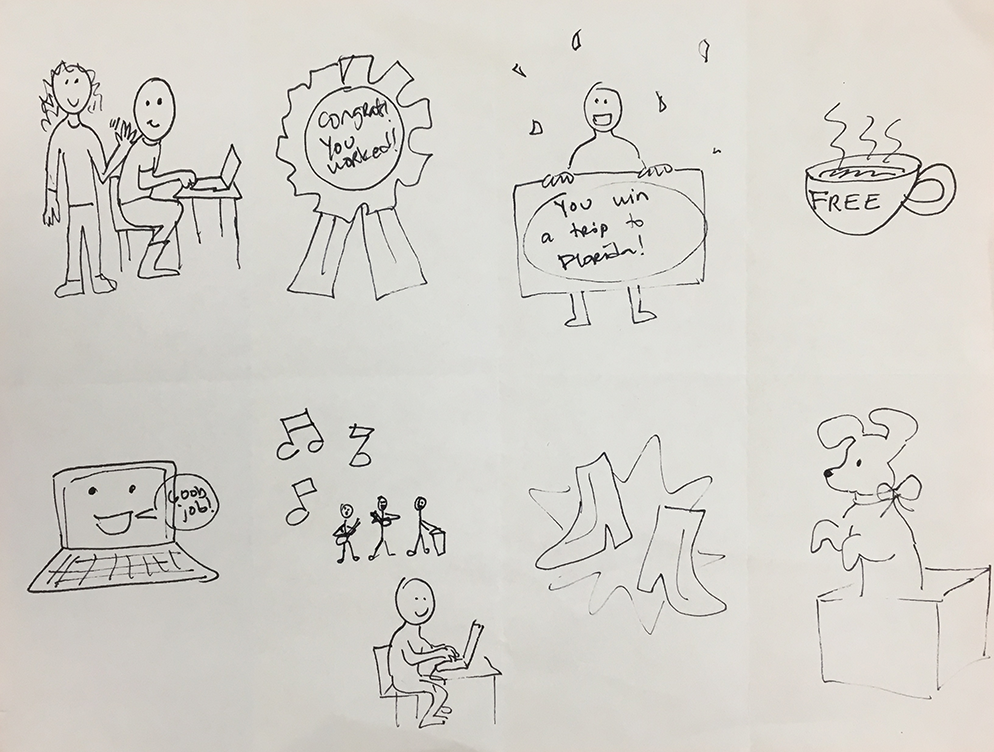
I led a group of potential users in Crazy 8’s exercise, where they had 8 minutes to draw 8 quick sketches in response to the prompt “How might we help remote workers feel accomplished and productive every day they choose to work?”
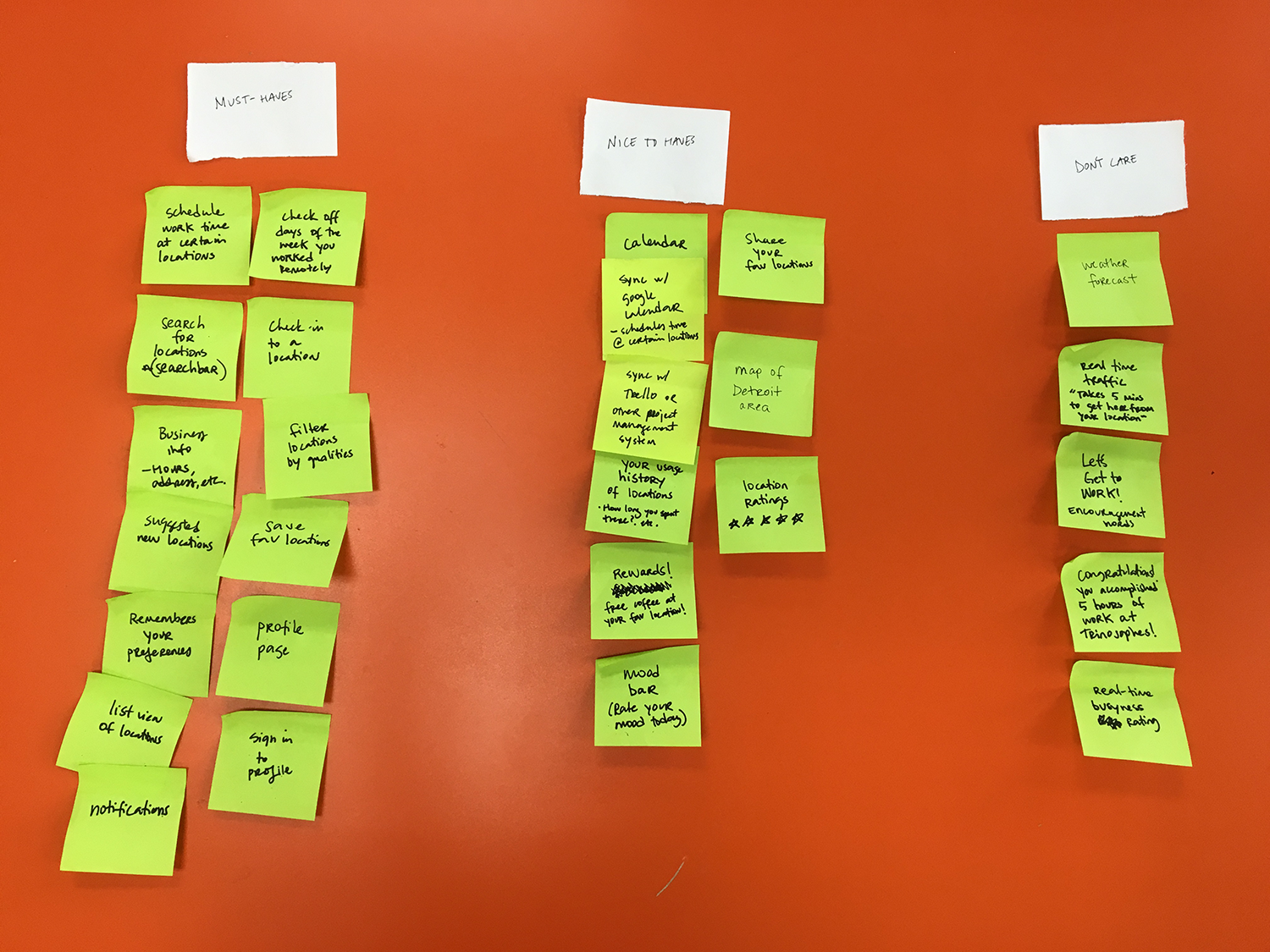
From a card sorting exercise I conducted, to help me confirm which features to include. Potential users sorted various features written on stickies into three categories.
I found that most users felt that searching for locations, sharing them, etc was imperative to the function of this app. As one user put it “the must haves were things I expect to be present, the ‘nice-to-haves’ were things that would delight me and inspire me.” It became evident that the execution of the ‘nice-to’haves’ was imperative to making the app serve a purpose that went beyond functional, and truly helped people to optimize their productivity.
more to come!
As progress continues to be made on this project, this page will be updated. Prototypes are currently in the pipeline to be tested.